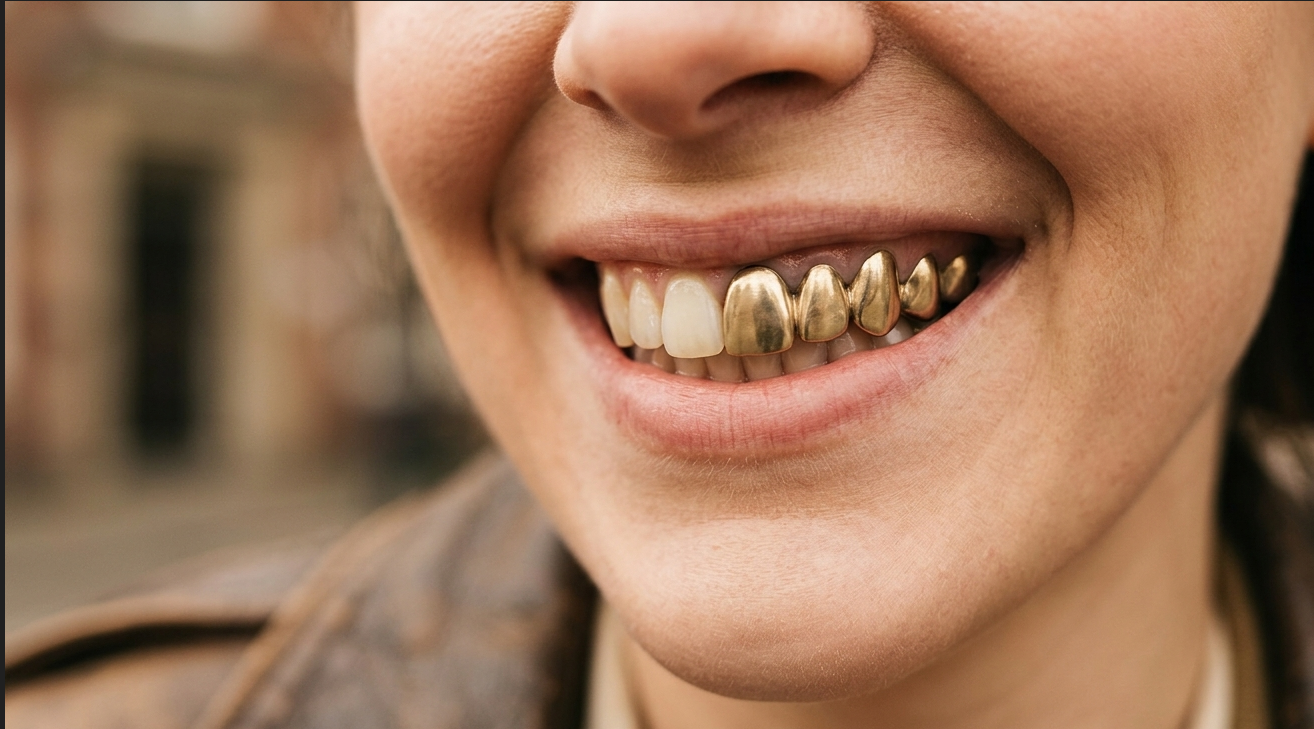
The term “Brasssmile” isn’t just a catchy phrase; it represents a unique intersection of metallurgy, dental history, and contemporary fashion. Whether you are referring to the warm, golden glint of vintage dental work or the modern resurgence of brass-toned jewelry and “grillz,” the brass smile carries a weight of cultural significance that spans centuries.
In this deep dive, we will explore the evolution of the brass smile—from its origins in early restorative dentistry to its place in the high-fashion world of today.
1. Defining the Brass Smile: More Than Just Metal
At its core, a brass smile refers to the visible presence of yellow-toned metals within the mouth. While modern dentistry often prioritizes “invisible” solutions like porcelain and composite resins, the brass smile embraces the metallic aesthetic.
Semantic Meanings
- The Vintage Perspective: A nod to the era when gold and copper alloys were the standard for durability.
- The Artistic Perspective: The use of brass-toned jewelry (grillz) as a form of self-expression.
- The Metaphorical Perspective: A “brass smile” often describes a grin that is bold, resilient, and unapologetically bright.
2. The Historical Roots of Metallic Dentistry
Before the advent of modern polymers, dentists relied on the strength of metals. While pure gold was the gold standard (literally), various alloys incorporating copper and zinc—the components of brass—were often experimented with or used in structural dental work.
The Rise of Gold and Alloys
In the 19th and early 20th centuries, a metallic smile was a sign of status. If you had a “brass-colored” glint in your teeth, it meant you had the means to afford professional dental care. Unlike the silver-colored mercury amalgams used for hidden cavities, yellow-toned metals were often used for crowns and bridges that were visible to the world.
Why Brass?
While true brass (copper + zinc) is rarely used directly for permanent internal dental implants today due to oxidation concerns, its aesthetic profile—that warm, deep yellow—remains the benchmark for “classic” dental gold.
3. The Brass Smile in Modern Fashion: The Era of Grillz
Fast forward to the 21st century, and the brass smile has moved from the dentist’s chair to the jeweler’s bench. The rise of hip-hop culture in the 1980s and 90s popularized the “grill”—a removable dental ornament.
The Shift to Brass Tones
While high-end grillz are made of 18k gold, there is a massive market for brass-based dental jewelry.
- Affordability: Brass allows enthusiasts to achieve the “golden look” without the four-figure price tag.
- Durability: When properly plated, brass provides a sturdy base for intricate designs.
- Customization: Modern CNC machining allows for “brass smiles” featuring engravings, logos, and even embedded stones.
Safety Note: If you are pursuing a brass smile through jewelry, ensure the metal is “lead-free” and “nickel-free” to prevent allergic reactions or metal toxicity within the oral cavity.
4. The Psychology of a Bold Grin
Why are we drawn to the brass smile? Psychologically, a metallic glint in a smile conveys confidence and permanence.
- Resilience: Metal doesn’t chip like enamel. A brass smile suggests a person who is “built to last.”
- Defiance: In a world obsessed with “Hollywood White” teeth, choosing a metallic aesthetic is a rebellious act of self-definition.
- Warmth: Unlike the cold, clinical feel of silver or chrome, brass tones have an organic warmth that complements many skin tones.
5. Maintenance and Care for the Metallic Glow
Whether your brass smile comes from vintage restorative work or a modern accessory, maintaining that luster is key. Oxidation is the enemy of any copper-based alloy.
For Dental Jewelry (Grillz)
- Cleaning: Use a soft-bristled toothbrush and mild dish soap. Avoid abrasive toothpastes that can scratch the finish.
- Storage: Keep your brass smile in a dry, airtight container when not in use to prevent the metal from tarnishing.
- Usage: Never eat or sleep while wearing brass dental jewelry.
For Permanent Restorations
If you have older crowns that give you a natural brass smile, regular dental checkups are vital to ensure the margins of the metal remain sealed against bacteria.
6. The Future of the Brass Smile
As 3D printing technology advances, the “Brass Smile” is becoming more accessible and intricate. We are seeing a move away from solid blocks of metal toward biocompatible alloys that mimic the look of aged brass but offer the health benefits of modern medical-grade materials.
We are also seeing the “Brass Smile” trend merge with the Bio-Hacking movement, where individuals integrate tech or unique aesthetic markers directly into their physical appearance.
7. Conclusion: Embracing Your Unique Shine
The brass smile is a testament to the fact that beauty isn’t one-size-fits-all. It bridges the gap between the rugged utility of the past and the flashy self-expression of the future. Whether it’s a single gold crown or a full set of polished brass-toned plates, this aesthetic celebrates the mouth as a canvas for art and history.






I got this website rom my friend who shared with me concerning this site and at the moment this time I am visiting this website and reading very
informative articles here.